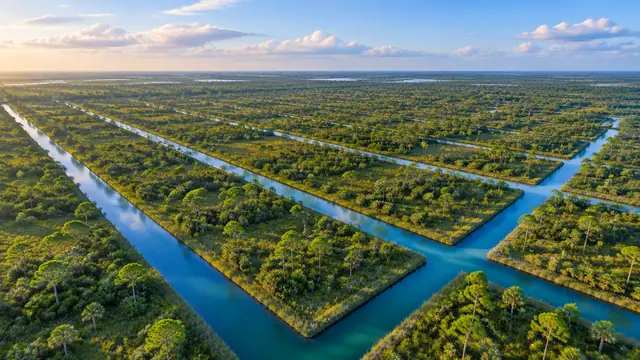
Septic and wells, and the push to sewer and city water
A 2023 funding request to the Florida Senate, titled "Cape Coral Septic to Sewer Conversion/Utilities Extension Project," says the project gives 7,300 parcels access to the city's wastewater collection and treatment, to potable water and distribution, and reduces the frequency of wells running dry and saltwater intrusion. The request is dated February 22, 2023. It tells us that parts of the city were not on city sewer and water at that time and that the work reaches areas in stages. It does not tell you the status of your street today.
Source: Florida Senate Local Funding Initiative Request 2005, fiscal year 2023-24, read November 6, 2026. For your street, ask the City of Cape Coral Utilities Department about sewer, water and irrigation service, schedules and fees.
Why it matters for a pool
- Is my street on city sewer and water now, or is it scheduled? Ask the city utilities office, not the seller.
- If the home is on septic, where is the tank and drain field relative to the planned pool, and who confirms the distance?
- If the home is on a well, will it fill the pool, and what does the builder plan for fill water?
- What irrigation source does the lot use, and does the pool plan touch the irrigation lines?
The required distance between a drain field and a pool depends on the lot and the septic permit. Ask the builder and the permitting office to confirm it in writing.
Who connects what
The state definition of a residential pool and spa contractor says its scope of work "does not include direct connections to a sanitary sewer system or to potable water lines." A pool contract should say who handles those connections and whether a plumber is part of the price.
Source: Florida Statutes 2026, section 489.105 (definitions), read November 6, 2026.
Draining a pool
A Florida Department of Environmental Protection best-practice sheet gives these steps before draining a pool or discharging filter backwash:
- Avoid draining during drought or heavy rain, and do not drain when watering restrictions are in place.
- Let the water stand at least 48 hours after the last chlorine addition, or until free chlorine is 0.01 mg/L or less. Test before discharge.
- Keep the pH between 6.5 and 8.5, and the water clear of solids.
- Control the rate across your property and send it over a vegetated surface, not onto areas recently treated with herbicide or pesticide.
- Do not send pool or spa wastewater to the sanitary sewer without the permission of the wastewater treatment facility.
Source: Florida DEP, Stormwater Pollution Prevention Best Management Practices (Florida Green Lodging Program), read November 6, 2026. It was written for lodging businesses, says it is not comprehensive and that other local permitting requirements may apply. It was not written for Cape Coral. Ask the city about local draining rules, especially for storm drains and canals.
Frequently asked questions
Can I drain my pool into the street or the canal?
Florida DEP guidance says dechlorinated pool discharges are authorized if they do not cause a water quality violation, and sets chlorine at 0.01 mg/L or less and pH between 6.5 and 8.5 before discharge. That document is general and says other local rules may apply. Ask the City of Cape Coral before you drain into a storm drain or canal.
Can pool water go into the sanitary sewer?
The same DEP guidance says pool and spa wastewater should not go into the sanitary sewer without the permission of the wastewater treatment facility.
Does a pool contractor connect the sewer or water line?
Under state law the residential pool contractor scope does not include direct connections to a sanitary sewer system or to potable water lines, so those connections are separate work.